How to Find & Vet a Local Washing Machine Technician
A comprehensive guide for diagnosing whether you need a quick sensor fix or major drum bearing replacement, ensuring doorstep service without unnecessary transportation fees.
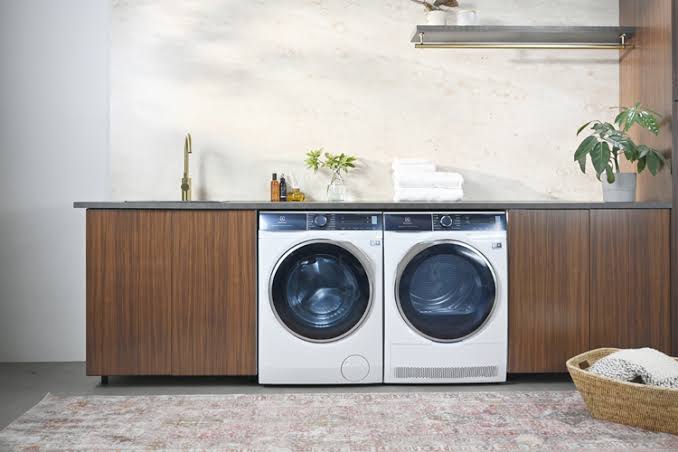
Evaluating Appliance Repair Qualifications
Modern washing machines (both front-load and top-load) are micro-computer controlled. Technicians must understand:
Brushless DC motors require specialized diagnostic tools to check hall effect sensors and stator coils rather than simply guessing rotor failure.
A technician should ask for the error code shown on your display (e.g., E4, OE, dF, UE) before arriving so they bring the correct pressure switch or door latch.
Preventing Appliance Hauling Scams
Some unscrupulous services insist on hauling heavy washing machines to their workshops for minor pump blockages or sensor wiring issues to charge inflated transport fees.
- Only PCB/Motor Rebuilding Requires Shop Work: Only complete drum spider replacements or complex PCB trace repairs require workshop tooling.
- Take Photos of Serial Stickers: If only the small PCB module is removed for repair, photograph its barcode and connection headers before it leaves.
Questions to Ask the Technician Prior to Booking
Q1: “Is the doorstep inspection fee adjustable into the final repair bill?”
Standard practice is to waive the visit fee if you approve the estimated repair.
Q2: “Do you supply genuine OEM drain pumps and shock absorbers?”
Cheap universal pumps often fail within 3 months under high load cycles.
Q3: “What warranty do you offer on new water inlet valves or carbon brushes?”
Expect a minimum 60 to 90 days written warranty.
On-Site Testing Checklist Before Settling Payment
- • Run a short rinse + spin test to ensure proper water intake, drainage speed, and no excessive vibration.
- • Inspect rubber door bellows and bottom hose clamps for immediate water leaks.
- • Collect the replaced old component (faulty capacitor, valve, or worn belt).
Secondary Quote Strategy
If quoted a high sum for a new drum assembly, spending 5 minutes calling another local technician can save up to 40% on labor charges.
VIEW SAFETY CHECKLIST